Restore Comfort Fast Today
How Long Do HVAC Systems Last and When Should You Replace Yours
Your HVAC system is one of the biggest investments in your home. It keeps your family cool during Arizona’s scorching summers and provides reliable heating when temperatures dip. Since it works so hard throughout the year, it’s natural to wonder, how long do HVAC systems last?
The answer depends on several factors. The type of equipment you have, how often it’s used, the quality of the installation, and how well it’s maintained all play a role in its lifespan. While no system lasts forever, proper care can help you get many years of dependable performance before it’s time for a replacement.
Knowing what to expect also makes it easier to plan ahead. Instead of waiting for a complete breakdown during the hottest week of summer, you can recognize the warning signs early and make informed decisions about repairs or replacement.
In this guide, we’ll explain the average lifespan of residential HVAC equipment, what affects its longevity, and how regular maintenance can help protect your investment. We’ll also answer common questions such as what is an HVAC system, what does HVAC do, how does HVAC work, and what do HVAC technicians do.
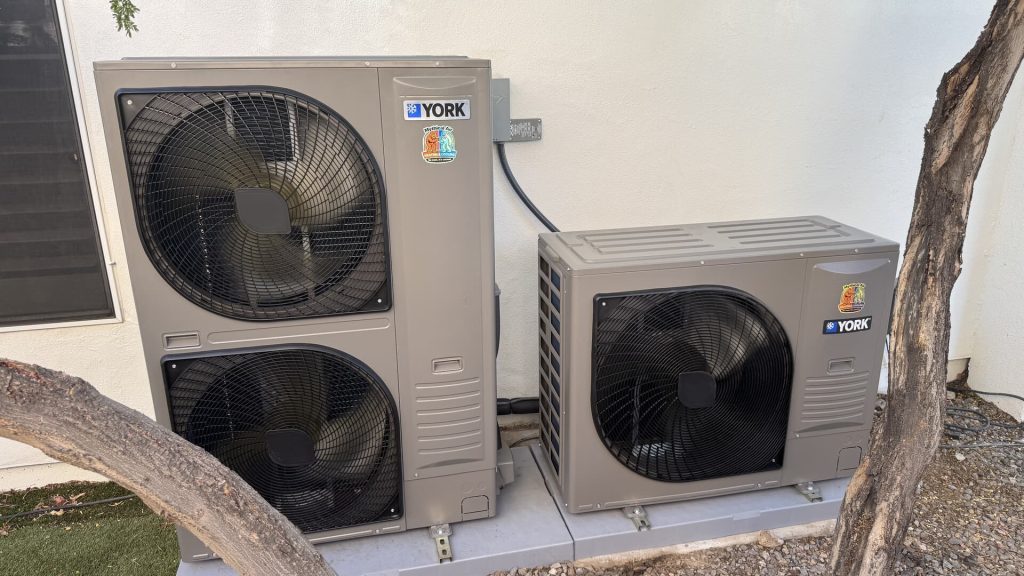
What Is an HVAC System?
Before answering how long does an HVAC system last, it’s helpful to understand what an HVAC system actually includes.
HVAC stands for Heating, Ventilation, and Air Conditioning. These systems work together to regulate your home’s temperature, circulate air, and improve indoor comfort throughout every season.
Most residential HVAC systems include:
- Air conditioner or heat pump
- Furnace or air handler
- Outdoor condenser unit
- Indoor evaporator coil
- Thermostat
- Ductwork
- Air filters
Each component plays an important role. When one part begins to wear out, it can reduce the efficiency and performance of the entire system.
What Does HVAC Do?
Many homeowners think their HVAC system simply heats and cools the house. While that’s certainly its primary job, it performs several other important functions that contribute to your home’s comfort.
A properly functioning HVAC system helps:
- Maintain comfortable indoor temperatures year-round.
- Circulate conditioned air throughout your home.
- Remove excess humidity during cooling.
- Filter airborne dust, pollen, and other particles.
- Improve indoor air quality.
- Support better airflow from room to room.
Because Arizona’s climate demands long cooling seasons, your HVAC equipment often works much harder than systems in cooler parts of the country. That additional workload makes regular maintenance even more important.
If you’re looking to keep your equipment operating efficiently, scheduling routine HVAC Maintenance Services is one of the best ways to reduce unnecessary wear.
How Does HVAC Work?
Understanding how HVAC works can also help explain why routine maintenance has such a big impact on system life.
During the summer, your air conditioner removes heat from inside your home and transfers it outdoors using refrigerant. The cooled air is then pushed through your ductwork and distributed to each room by the blower motor.
When heating is needed, your furnace or heat pump warms the air before circulating it through the same duct system.
Throughout this process, the thermostat monitors indoor temperatures and signals the system when heating or cooling is required.
Because every component depends on the others, problems with one part can place additional strain on the rest of the system. For example, a dirty air filter can restrict airflow, forcing the blower motor to work harder and increasing wear on other components.
What Do HVAC Technicians Do?

Many homeowners only call for service when something stops working, but what do HVAC technicians do during a typical visit?
HVAC technicians inspect, diagnose, repair, install, and maintain heating and cooling systems. Their work helps identify small issues before they become larger and more expensive problems.
Depending on the appointment, a technician may:
- Inspect electrical components.
- Check refrigerant levels.
- Test thermostat operation.
- Clean coils.
- Measure airflow.
- Replace worn parts.
- Inspect safety controls.
- Verify that the system is operating efficiently.
Routine inspections can catch worn components early, helping homeowners avoid unexpected breakdowns during Arizona’s hottest months.
How Long Do HVAC Systems Last?
So, how long do HVAC systems last?
There’s no single answer because every home and every system is different. However, most residential HVAC equipment falls within a general lifespan when it receives proper care.
Here’s what homeowners can typically expect.
| System | Average Lifespan |
| Central Air Conditioner | 12-15 years |
| Furnace | 15-20 years |
| Heat Pump | 10-15 years |
| Thermostat | Around 10 years |
| Ductwork | 20-25 years |
These are averages, not guarantees. Some systems last longer with consistent maintenance, while others wear out sooner due to heavy use or poor installation.
Arizona homeowners often see shorter equipment lifespans than the national average because air conditioners run for much of the year. Extended operating hours naturally increase wear on compressors, motors, electrical components, and other moving parts.
Air Conditioner Lifespan
For many Arizona homeowners, the air conditioner is the most heavily used part of the HVAC system.
Most central air conditioners last between 12 and 15 years, although proper maintenance can sometimes extend that lifespan.
Several factors influence how long an air conditioner will continue operating efficiently, including:
- Frequency of use
- Routine maintenance
- Installation quality
- Outdoor temperatures
- Airflow throughout the home
- System sizing
An oversized or undersized unit can experience unnecessary strain, leading to premature wear and higher energy bills. That’s why proper equipment sizing is an important part of every Air Conditioning Installation project.
If your air conditioner requires frequent repairs or struggles to maintain comfortable temperatures, it may be time to schedule an inspection before a complete breakdown occurs.
Furnace Lifespan
Although Arizona winters are relatively mild, furnaces still require regular care to remain dependable.
Most gas furnaces last between 15 and 20 years. Since they operate for fewer months each year than air conditioners, they generally experience less wear.
However, age isn’t the only factor that matters. Lack of maintenance, dirty burners, airflow restrictions, and worn components can all reduce efficiency and shorten a furnace’s lifespan.
Annual inspections help ensure the system continues operating safely and efficiently. Scheduling routine Heating Repair & Furnace Services when small issues appear can also prevent more costly repairs later.
Heat Pump Lifespan
Heat pumps have become increasingly popular because they provide both heating and cooling in one system.
Most heat pumps last between 10 and 15 years. Since they operate throughout the year instead of only one season, they often accumulate more operating hours than traditional systems.
Routine inspections, filter changes, and seasonal maintenance are especially important for maximizing the lifespan of a heat pump.
If you notice reduced efficiency, unusual noises, or uneven temperatures, scheduling professional Heat Pump Services can help identify problems before they become more serious.
What Has the Biggest Impact on HVAC Lifespan?
While every system eventually reaches the end of its service life, several factors have the greatest influence on how long it lasts.
Regular Maintenance
Routine maintenance is one of the most effective ways to extend the life of your HVAC system. Seasonal inspections help identify worn components, clean essential parts, and keep everything operating as efficiently as possible.
Installation Quality
Even the highest-quality equipment can experience problems if it isn’t installed correctly. Proper sizing, airflow, refrigerant levels, and electrical connections all affect long-term performance.
Arizona’s Climate
Extreme summer temperatures place additional stress on cooling equipment. Longer run times mean more wear on compressors, capacitors, blower motors, and other critical components.
Air Filter Changes
Dirty air filters restrict airflow and force your HVAC system to work harder than necessary. Replacing filters regularly is a simple step that can improve efficiency and reduce unnecessary strain.
Repairing Problems Early
Ignoring unusual noises, weak airflow, or inconsistent temperatures can allow small issues to become major repairs. Scheduling Air Conditioning Repair when problems first appear often helps prevent additional damage.
Signs Your HVAC System May Need to Be Replaced
Even a well-maintained HVAC system will eventually reach the end of its service life. While some problems can be fixed with a repair, others may indicate that replacement is the more practical long-term solution.
Here are some of the most common signs to watch for.
Your System Is More Than 10 to 15 Years Old
Age alone doesn’t mean you need a new system, but it’s an important factor. If your air conditioner or heat pump is approaching 15 years old, it’s worth paying closer attention to its performance. Older equipment typically operates less efficiently than newer models and may require repairs more often.
If your system is still keeping your home comfortable and has been well maintained, it may have years of service left. However, if it’s beginning to show other warning signs, it may be time to consider Air Conditioning Replacement.
Repairs Are Becoming More Frequent
An occasional repair is normal over the life of any HVAC system. If you’re scheduling service several times a year, those repair costs can quickly add up.
Replacing aging equipment may be the more cost-effective option if you’re constantly dealing with failing components. A professional inspection can help determine whether another repair is worthwhile or if investing in a new system makes better financial sense.
Your Energy Bills Keep Increasing
Have your utility bills increased even though your energy usage hasn’t changed?
As HVAC equipment ages, it becomes less efficient. Components wear down, airflow may decrease, and the system has to work harder to maintain the desired temperature. The result is longer run times and higher monthly energy costs.
A newer, properly sized system can often deliver better performance while using less energy.
Your Home Has Uneven Temperatures
If some rooms always feel warmer or cooler than others, your HVAC system may no longer be distributing air effectively.
Uneven temperatures can be caused by several issues, including:
- Aging equipment
- Leaky ductwork
- Failing blower components
- Thermostat problems
- Improper system sizing
A professional inspection can identify the source of the problem. In some cases, the solution may involve Ductwork Services rather than replacing the HVAC equipment itself.
Your System Makes Unusual Noises
HVAC systems aren’t completely silent, but new or increasingly loud noises should never be ignored.
Sounds such as banging, grinding, squealing, or rattling often indicate that internal components are worn or failing. Addressing these issues early may prevent additional damage and extend the life of your equipment.
Your Air Conditioner Struggles to Keep Up
Arizona summers place tremendous demands on air conditioning systems. If your home never seems to reach the temperature you’ve set on the thermostat, your equipment may be losing capacity due to age or worn components.
Before assuming replacement is necessary, it’s important to schedule an inspection. Sometimes the problem can be resolved with professional Air Conditioning Repair, while other situations may point toward a replacement.
Repair or Replace? How to Decide
Many homeowners wonder whether they should repair their current system or invest in a replacement. The answer depends on several factors, including the system’s age, condition, and the cost of the repair.
Repairing your HVAC system may make sense if:
- The equipment is relatively new.
- The repair is minor.
- The system has been reliable.
- Your energy bills remain reasonable.
Replacing your system may be the better option if:
- The equipment is nearing the end of its expected lifespan.
- Repairs have become more frequent.
- Your utility costs continue to rise.
- Major components such as the compressor or heat exchanger have failed.
- Your home is no longer consistently comfortable.
The best way to make an informed decision is to have the system evaluated by a qualified technician. We provide honest diagnostics and explain your options clearly, so you can choose the solution that makes the most sense for your home and budget. If a repair is the right choice, we’ll tell you. If replacement offers better long-term value, we’ll explain why without using high-pressure sales tactics.
How to Help Your HVAC System Last Longer

While no HVAC system lasts forever, there are several ways to maximize its lifespan and keep it operating efficiently.
Schedule Routine Maintenance
Professional maintenance is one of the most valuable investments you can make in your HVAC system. Regular tune-ups allow small issues to be addressed before they turn into larger repairs.
Seasonal maintenance also helps improve efficiency, reduce unnecessary wear, and keep your equipment operating as designed.
Change Your Air Filter Regularly
A clogged air filter restricts airflow, forcing the system to work harder than necessary. Replacing your filter according to the manufacturer’s recommendations is one of the easiest ways to support better performance.
Keep the Outdoor Unit Clean
Leaves, dirt, weeds, and other debris can block airflow around your outdoor condenser. Keeping the area clean allows the system to release heat more efficiently during Arizona’s hottest months.
Don’t Ignore Small Problems
Strange noises, weak airflow, unusual odors, or inconsistent temperatures are often early warning signs. Addressing these concerns promptly can help prevent larger repairs and reduce additional wear on your equipment.
Install the Right System for Your Home
Proper sizing is just as important as choosing a quality HVAC system. Equipment that’s too large or too small can experience excessive wear, reduced efficiency, and inconsistent performance.
If you’re installing new equipment, working with an experienced contractor helps ensure the system is matched to your home’s cooling and heating needs.
Frequently Asked Questions
How long do HVAC systems last with regular maintenance?
Most residential HVAC systems can meet or even exceed their expected lifespan when they receive routine maintenance. Regular inspections, cleaning, and timely repairs help reduce wear and keep the equipment operating efficiently.
How long does an HVAC system last in Arizona?
Arizona’s extreme summer temperatures often shorten the lifespan of air conditioning equipment because systems run for longer periods each year. Consistent maintenance and prompt repairs can help offset the effects of heavy use.
Can regular maintenance really extend the life of my HVAC system?
Yes. Preventative maintenance helps identify worn components before they fail, improves system efficiency, and reduces unnecessary strain on critical parts.
Should I replace my HVAC system if it's still working?
Not necessarily. If your system is keeping your home comfortable, operating efficiently, and hasn’t required frequent repairs, replacement may not be necessary. A professional inspection can help determine its overall condition and expected remaining lifespan.
Is financing available for a new HVAC system?
Yes. We offer financing options to help make replacing your HVAC system more manageable. Contact us for more information about current financing availability.
Conclusion
Understanding how long HVAC systems last helps you make better decisions about your home’s heating and cooling equipment. While air conditioners, furnaces, and heat pumps all have average life expectancies, the actual lifespan depends on how the system is installed, maintained, and used over the years.
Routine maintenance, prompt repairs, and regular inspections can go a long way toward extending the life of your HVAC system. At the same time, recognizing the warning signs of an aging system can help you avoid unexpected breakdowns and plan for replacement before comfort is affected.
Whether your equipment needs a simple repair or it’s time to invest in a new system, making informed decisions today can help you get the most value from your HVAC investment.
Dependable HVAC Services From Mythical Air
When you need dependable HVAC service in Laveen and the surrounding Phoenix Valley, we’re here to help. With 25 years of collective experience, we understand what Arizona’s demanding climate requires from a heating and cooling system. From Air Conditioning Repair and HVAC Maintenance Services to Air Conditioning Installation, Air Conditioning Replacement, and Emergency HVAC Repair, we provide honest diagnostics, upfront pricing, and quality workmanship without high-pressure sales tactics. As a locally owned and operated company, you’ll work directly with the owners from start to finish, giving you consistent communication and dependable service every step of the way. Call Mythical Air today at (480) 270-4042 to schedule your appointment and keep your home comfortable year-round.